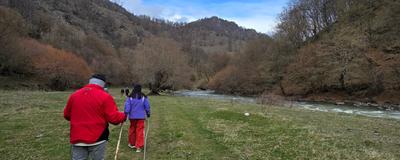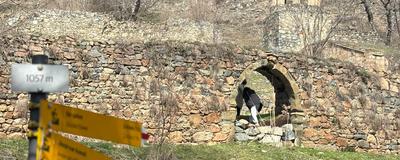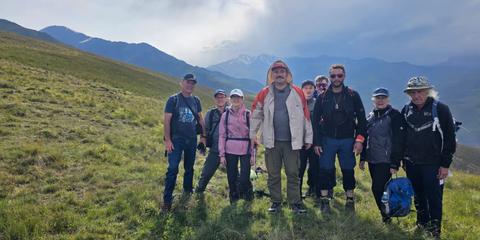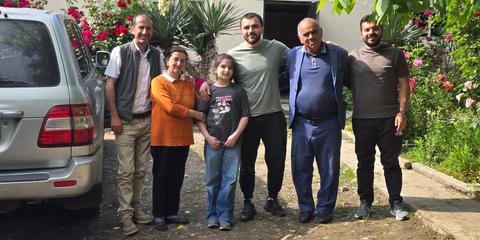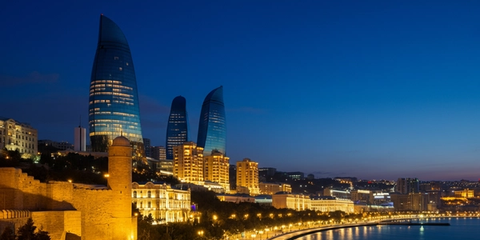
It was barely six in the morning, and our group was already gathering in the cool Baku dawn, ready to set off on the Shamkir-Gadabay route. For most of our travelers, this was a first-time destination, so every kilometer carried a bit of anticipation. Over two days we moved from German heritage sites to historic stone bridges, from mountain villages to a riverside picnic.
It was barely six in the morning, and our group was already gathering in the cool Baku dawn, ready to set off on the Shamkir-Gadabay route. For most of our travelers, this was a first-time destination, so every kilometer carried a bit of anticipation. Over two days we moved from German heritage sites to historic stone bridges, from mountain villages to a riverside picnic. Here's how the journey unfolded.
Day 1: Setting off for Shamkir
We left Baku at 6:20 in the morning. The road was long, but conversation came easily - travelers introduced themselves, and first impressions were shared freely. A few comfortable hours later, we reached Shamkir, where the person who'd shape the next two days was waiting for us: our local expert, Musa.
Meet Musa, our local expert
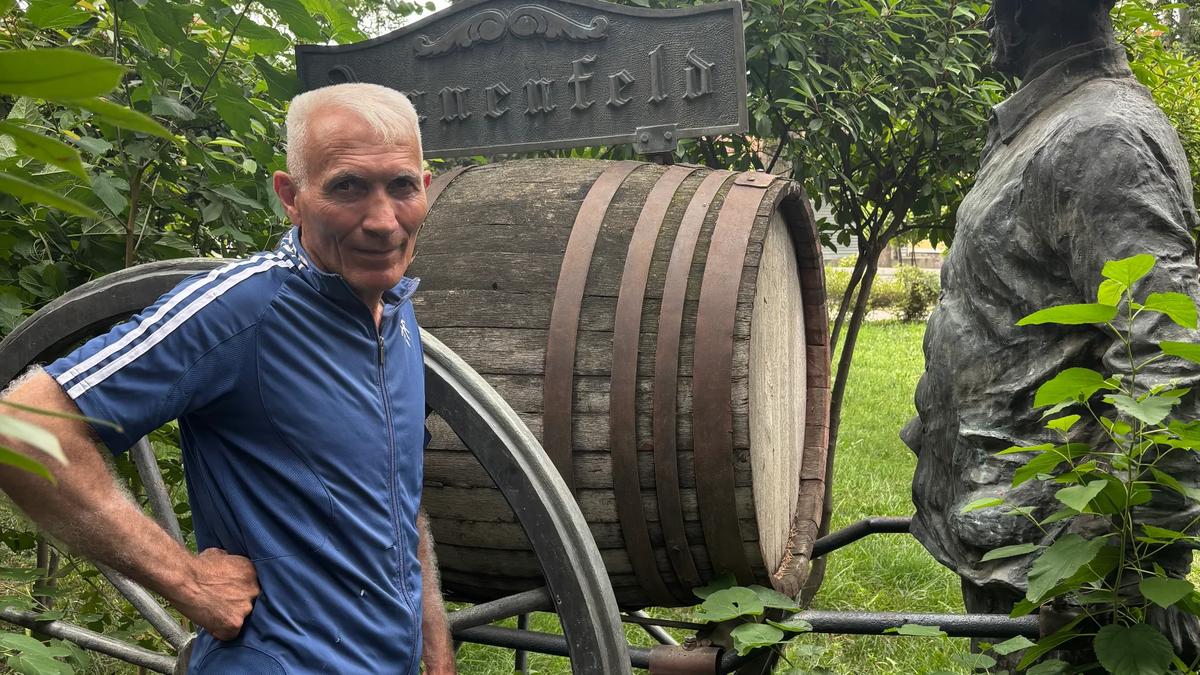
Musa has spent years working in tourism and knows the Shamkir-Gadabay-Dashkasan region almost step by step. At Trip8, our goal is to pair his knowledge with a reliable, well-run experience for every traveler. When small issues come up along the way, we stay close to our guests and work to resolve them quickly - treating every traveler with care matters to us. After meeting Musa, we headed to a local restaurant to refuel.
Discovering German heritage
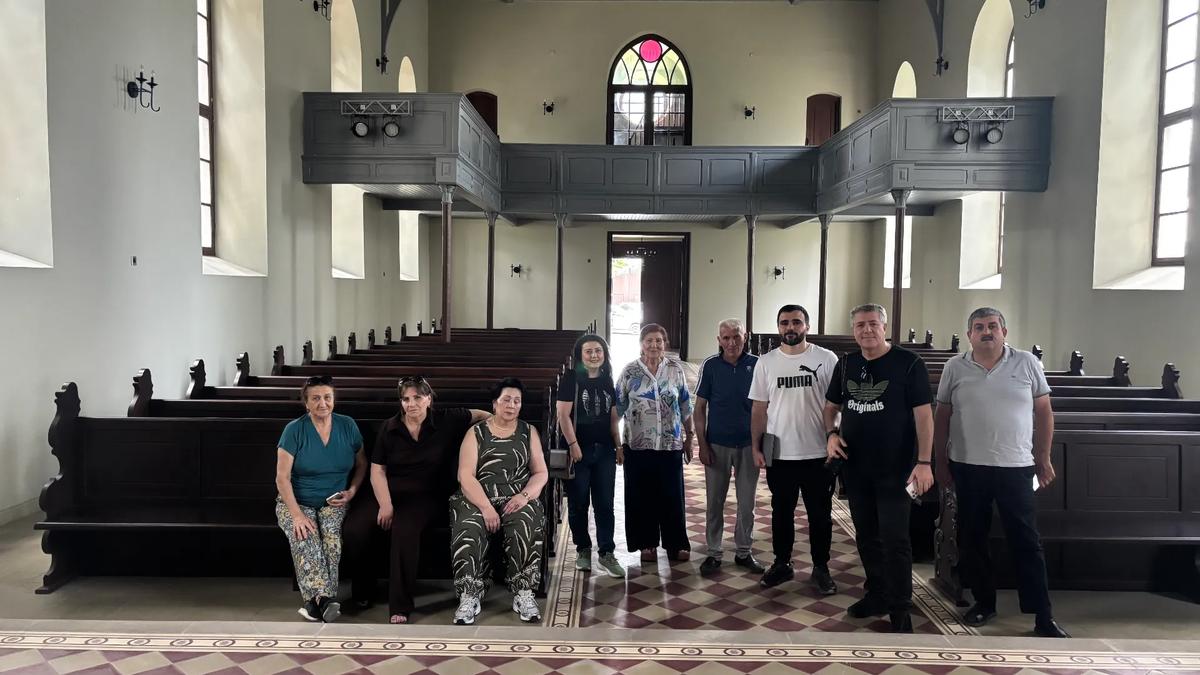
The food was fresh and simple, just what we needed before the afternoon ahead. After lunch, we walked into the center of Shamkir to explore its German heritage. In 1818, German families from the Württemberg region settled here and founded the Annenfeld colony, named after Anna Pavlovna, daughter of Emperor Paul I. Walking past tidy stone houses, narrow streets and green parks, it was easy to feel transported to that era. The Lutheran church stood out in particular - nearly every detail inside was brought from Germany and remains original to this day. Musa walked us through the history step by step, pointing out what still remains of the colony. From there, we set off for Gadabay.
Onward to Gadabay
The road from Shamkir to Gadabay brought a different kind of scenery: the Shir-Shir waterfall tumbling from high cliffs, an ancient Albanian temple, and German houses still preserved in the region. At every stop, Musa explained the history and present-day significance of the place, turning the drive into something closer to a small history lesson than a simple transfer. As evening fell, we settled into a local home in Gumlu village. Tea around the samovar, clean mountain air and a few games rounded off the day - and set us up for the one ahead.
Day 2: The Siemens (Bloody) Bridge and a riverside picnic
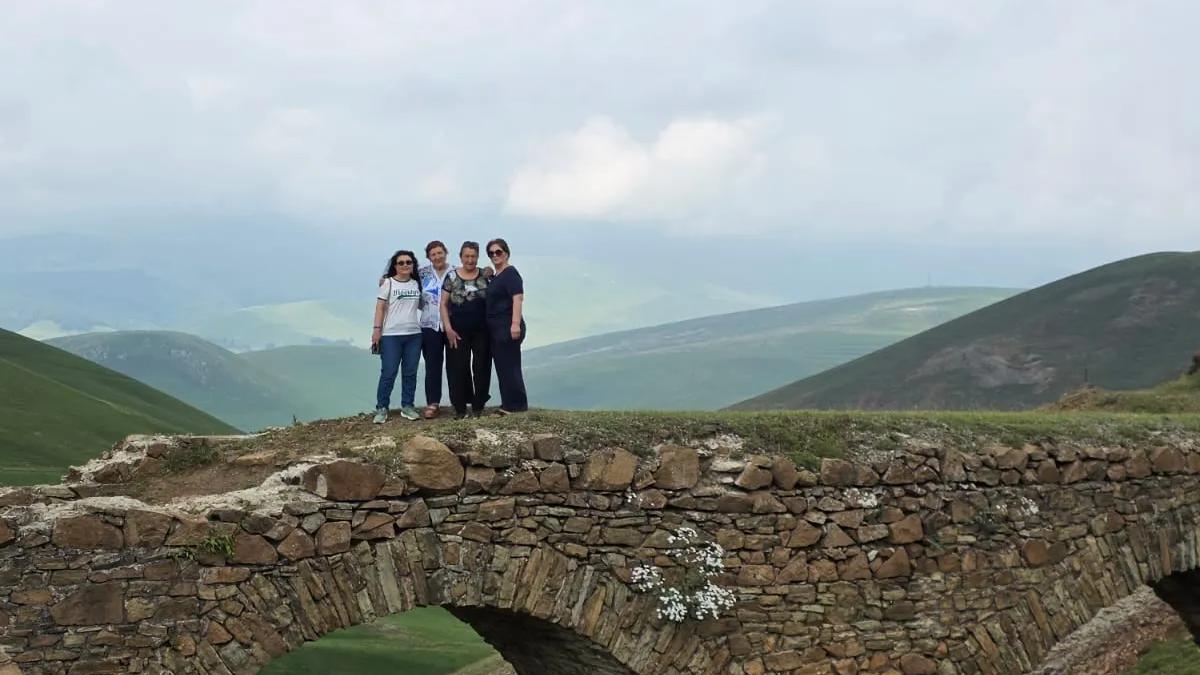
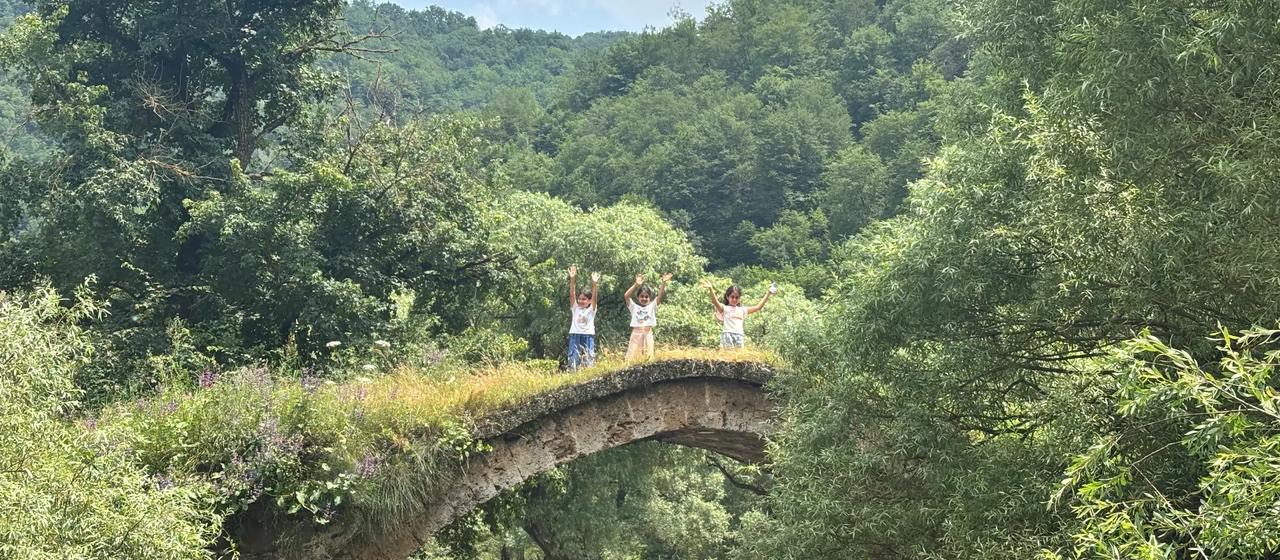
By the time we woke, Musa already had the samovar going and breakfast laid out. Honey, cream, cheese and farm eggs gave us the energy we needed. Our first stop was the well-known Siemens Bridge, locally called the “Bloody Bridge”. Built in 1879 by the Siemens brothers as part of the Gadabay-Galakand railway - the first in the South Caucasus - it's one of seven bridges from that line still standing. Musa told us the story behind its grim local name, and for a moment, the group went quiet. We took photos and spent a while walking around the site.
A short distance away, we stopped at a stone bridge locals call Zingirovlu, pausing for tea with a view over the Shamkirchay river. Stone bridges like this one, dating to the late 19th century, are still preserved across the region and have become part of what makes a Gadabay trip worthwhile.
Off-road adventure and a picnic by the Shamkirchay
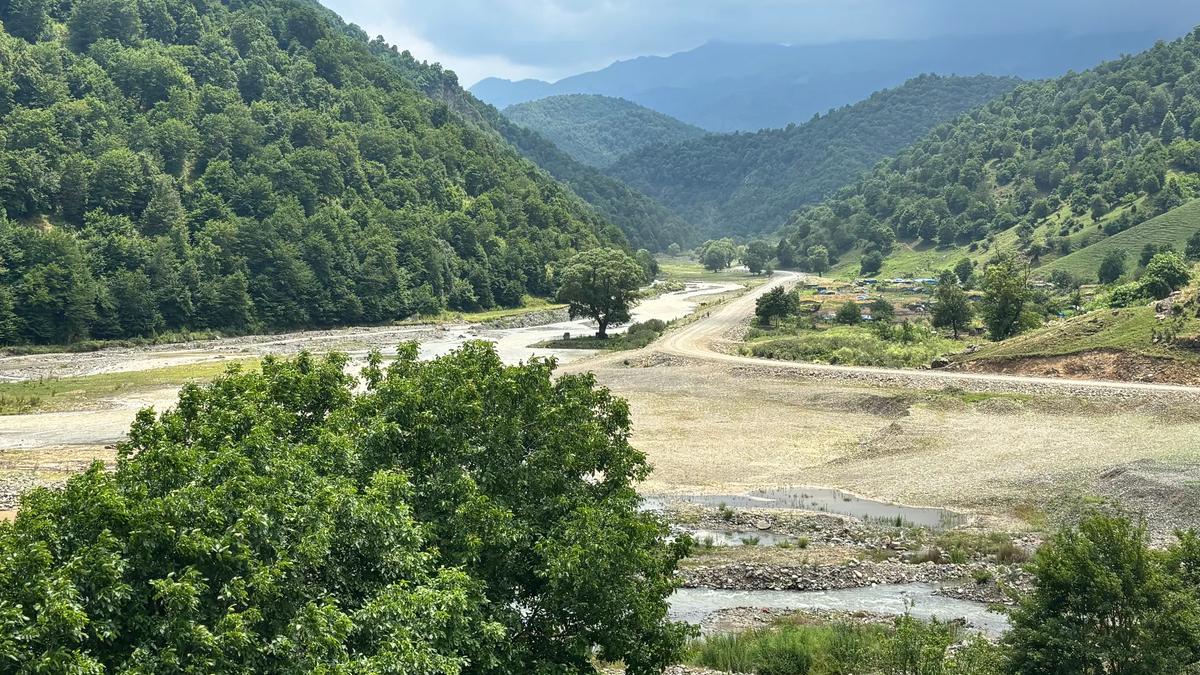
After the bridges, the day shifted gears. A classic UAZ took us off-road along the Shamkir river - a short, bumpy ride that got the whole group a little more excited. From there we reached our picnic spot by the water. The air was a cool 23 degrees, while Baku was hitting 32 that same day - the difference was immediate.
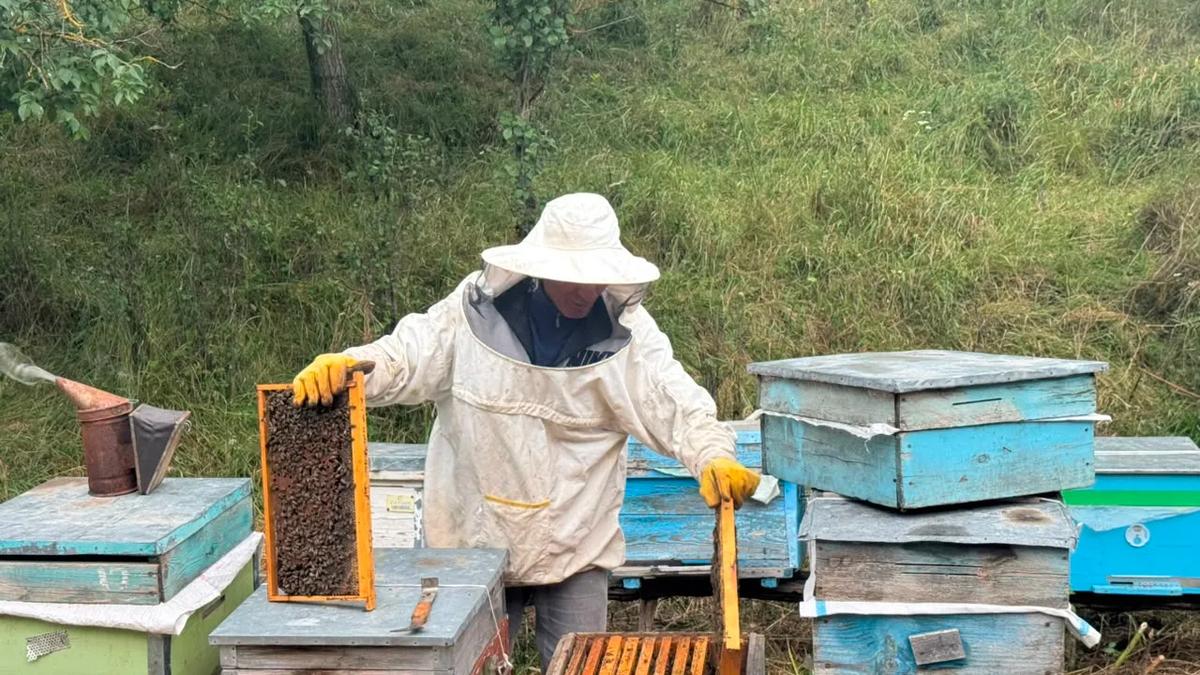
Out in the open, we had lunch with Gadabay potatoes, tomato and egg, watermelon and cheese, and melon. The highlight for many was Musa's beekeeping and honey tasting - he's kept bees himself for years and shared that experience with real warmth. Some travelers used the break to gather wild thyme from the hillside, which we later brewed into samovar tea - a fitting way to close out two days on the road.
After the picnic, we headed back through Gumlu village and on to Baku. Two days gave us new places to discover and memories worth keeping. On the way back, we asked our travelers to share their thoughts.
What our travelers said
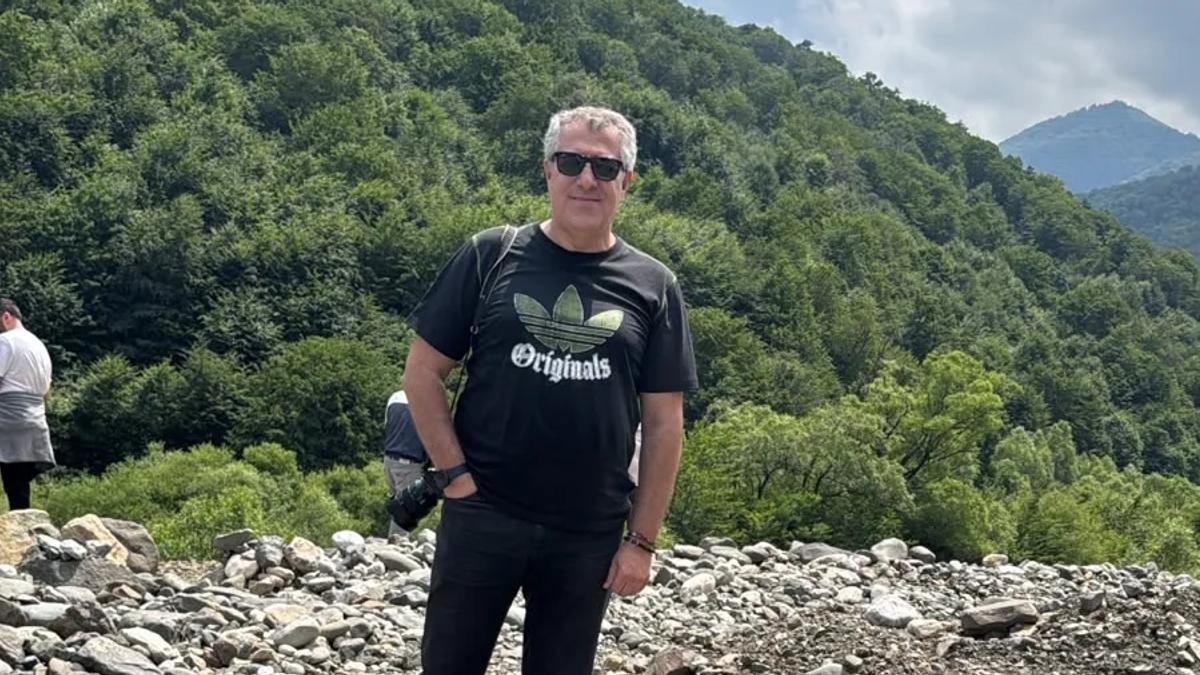
One of our travelers, İbrahim Kaya from Turkey, shared his experience with us:
“Fırsat buldukça Azerbaycan dahili turlara katılıyorum. Bu hafta sonu ilk defa Turla Travel şirketiyle şemkir ve Gedebey turuna katıldım. Trip8 temsilcisinin samimi ilgisi, ulaşımı sağlayan şoförümüz Faiq bey’in güvenli sürüşü ve Gedebey’de bize eşlik eden yerel beladçi Musa bey’in bilgisi ve yakından ilgilenmesi ile çok güzel bir gezi programı gerçekleştirdik. Hem şemkir’in hem de Gedebey’in görülmesi gereken önemli yerlerini görerek, bölge hakkında bilgi sahibi olmak isteyenlere Trip8 platformasını tavsiye ederim.”
Join Trip8 on the Shamkir-Gadabay route
If you're looking to discover Azerbaijan's domestic tourism, the Shamkir-Gadabay route is a great place to start. History, mountain scenery and local hospitality have made it one of Trip8's most loved routes. Browse Trip8's other routes and book your next Shamkir-Gadabay trip - discover this region's history, nature and hospitality with us.
Book your adventure
Work with a local expert to design a custom itinerary based on what inspired you in this guide.